engineered to eliminate™
We use cookies to enhance your experience. By clicking "Accept", you agree to our use of cookies. See our Privacy Policy.
engineered to eliminate™
We use cookies to enhance your experience. By clicking "Accept", you agree to our use of cookies. See our Privacy Policy.

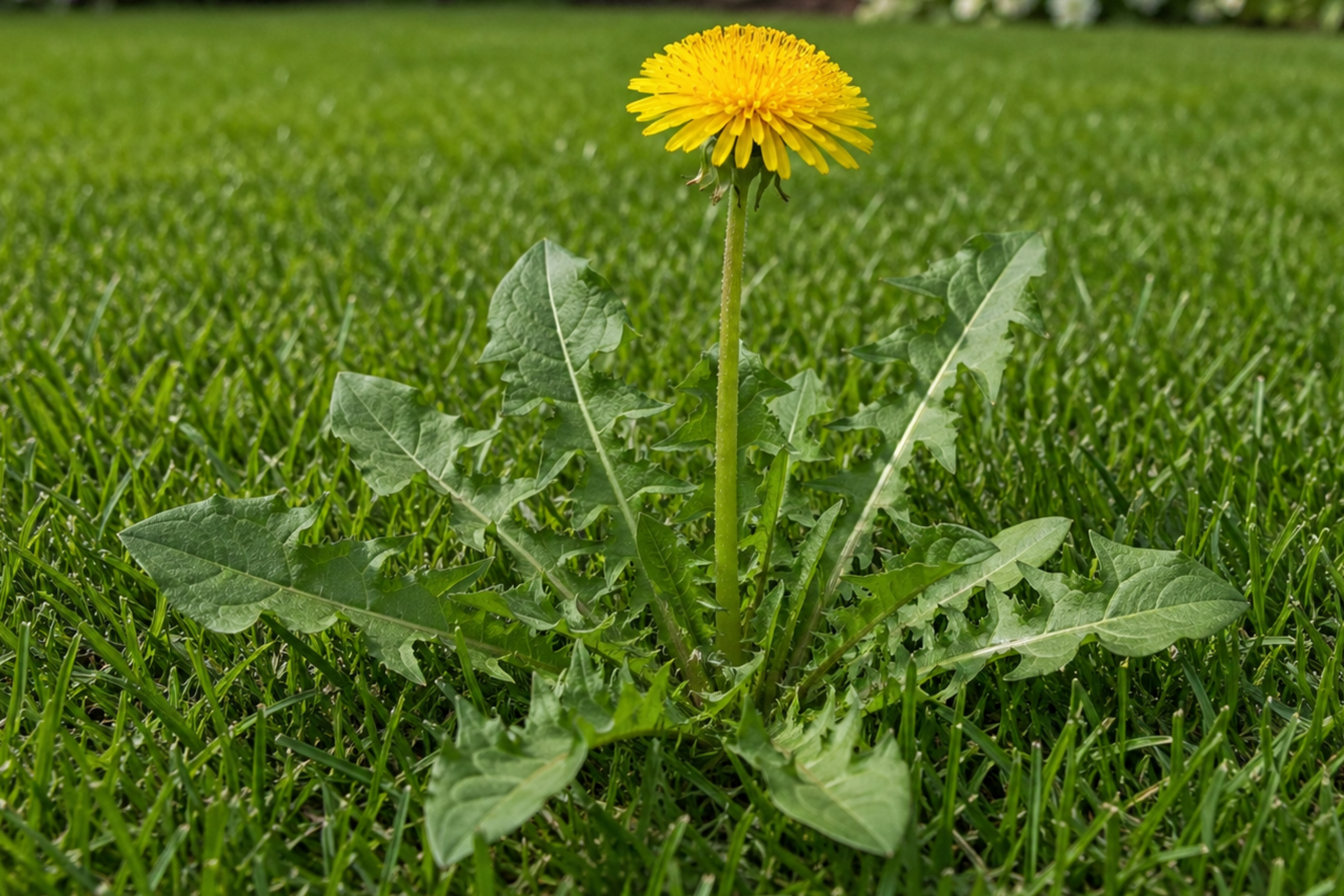
Easily recognizable by its bright yellow flower that turns into a white puffball seed head. Dandelions have a long, deep taproot and toothed leaves that form a rosette close to the ground. For a full manuscript with myths, hidden abilities, and taxonomy notes, read the Dandelion guide South Africa.
Dandelions are highly competitive, robbing lawn grasses and garden plants of water and nutrients. Their deep taproots make them difficult to remove completely, and they spread readily via wind-blown seeds.
Manual removal can be effective if the entire taproot is extracted, which is challenging. For established infestations, selective broadleaf herbicides are often necessary. Verminator uses professional-grade selective herbicides that target dandelions without harming most lawn grasses. Learn more about our weed control services.
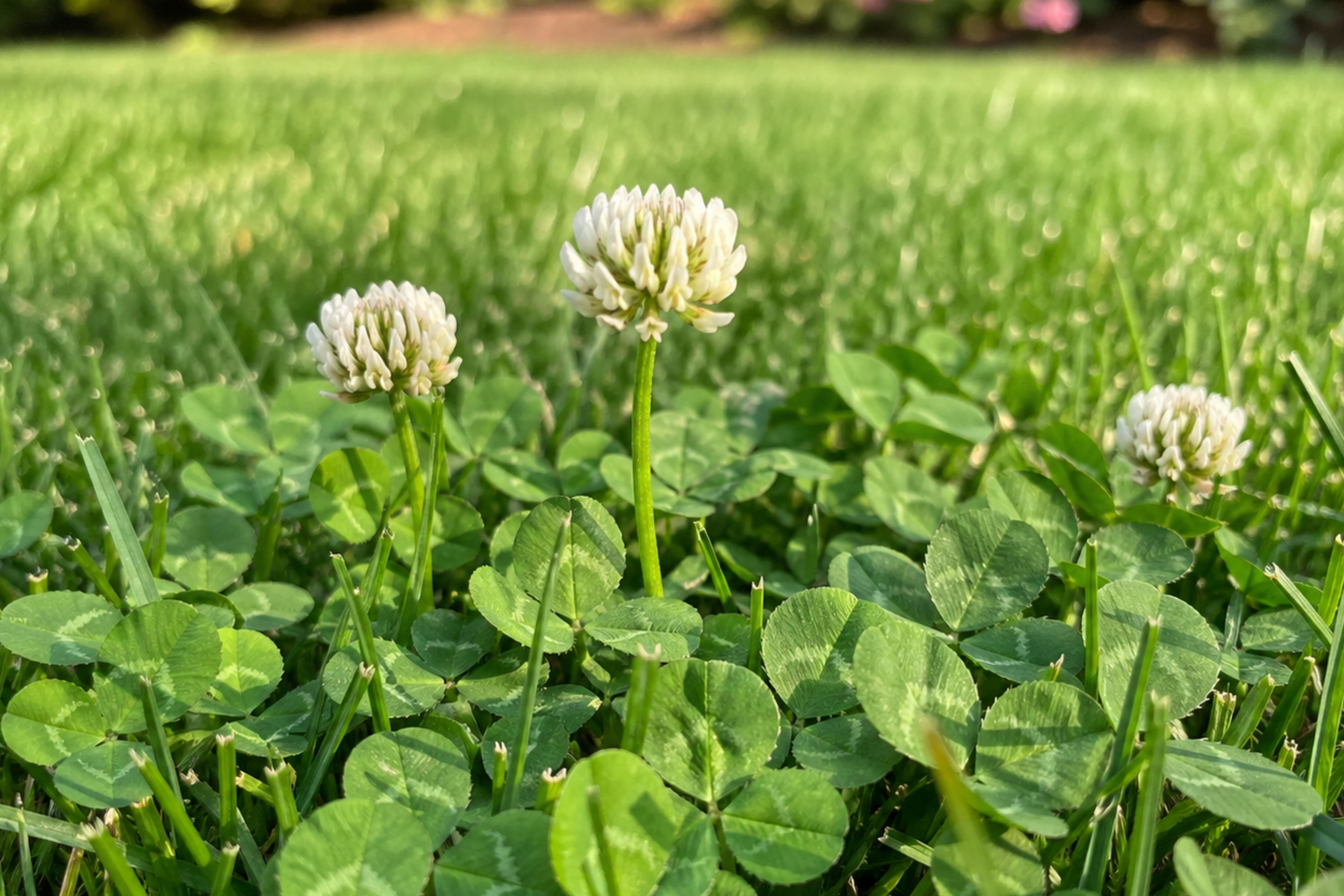
Identified by its characteristic three leaflets (sometimes four - a lucky find!) and small white or pinkish flowers. Clover is a low-growing perennial that can spread to form dense patches. For deeper biology, myths, and hidden spread logic, read the Clover guide South Africa.
While clover can fix nitrogen in the soil, it's often considered a weed in lawns as it disrupts uniformity and competes with grass for space and resources. It can be slippery when wet and attract bees, which may be a concern in play areas.
Improving lawn health through proper fertilization (to favor grass) and aeration can discourage clover. For active infestations, selective broadleaf herbicides are effective. Verminator can advise on lawn care and apply targeted treatments. Our lawn care plans often include clover management.
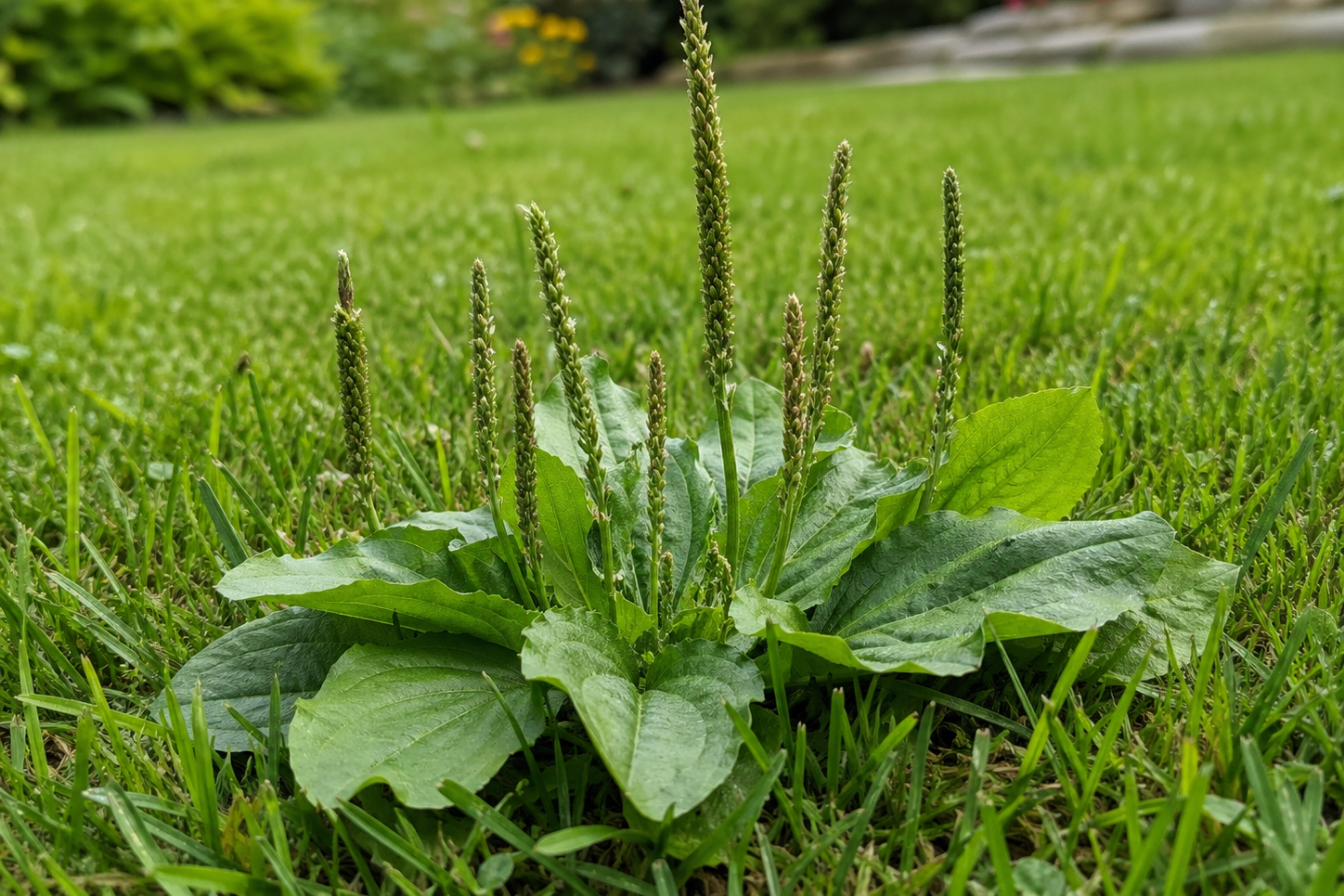
Features broad, oval-shaped leaves that grow in a low rosette. It produces inconspicuous flower spikes. There are several species, including broadleaf plantain and narrowleaf plantain, both common in lawns. For a deeper breakdown of compaction survival, myths, and hidden persistence traits, read the Plantain guide South Africa.
Plantain is a tough, resilient weed that can tolerate compacted soil and close mowing. It competes with desirable plants for space, light, and nutrients, and can make lawns look patchy.
Hand-pulling can work for small infestations if the entire root is removed. For larger areas, selective broadleaf herbicides are effective. Maintaining a healthy, dense lawn is the best long-term prevention. Verminator's weed control services effectively target plantain.
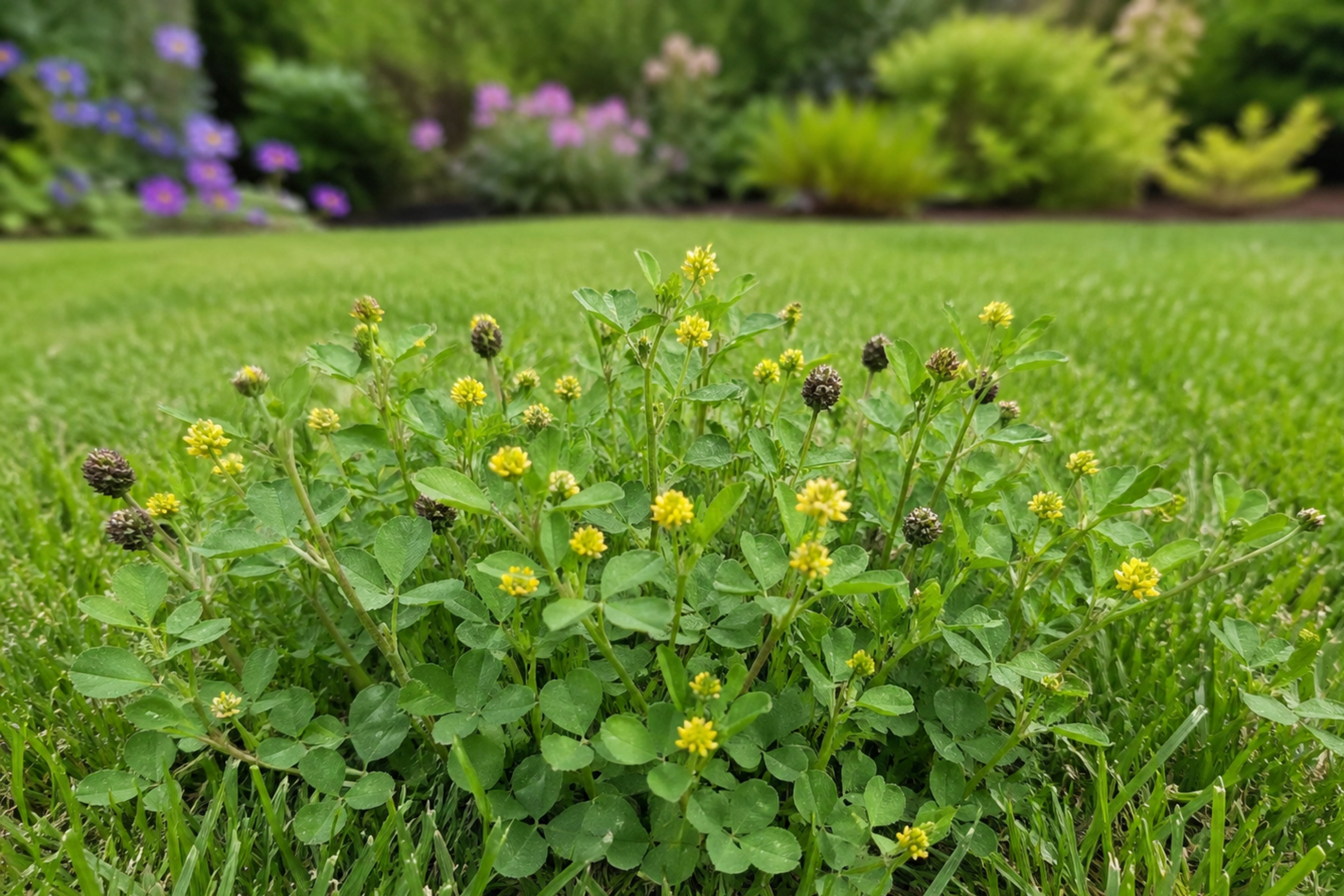
A low-growing annual or short-lived perennial with trifoliate leaves similar to clover, but often smaller. It produces clusters of tiny, bright yellow flowers that develop into small, black, kidney-shaped seedpods. For deeper identification clues, myths, and hidden persistence logic, read the Black medick guide South Africa.
Black Medick can spread aggressively, especially in sparse lawns or disturbed soil. It competes with turf grasses and can quickly form dense patches, making the lawn unsightly.
Hand-pulling before it sets seed can be effective for small patches. Improving lawn density through proper fertilization and overseeding helps prevent establishment. Selective broadleaf herbicides are effective for control. Contact Verminator for targeted broadleaf weed solutions.
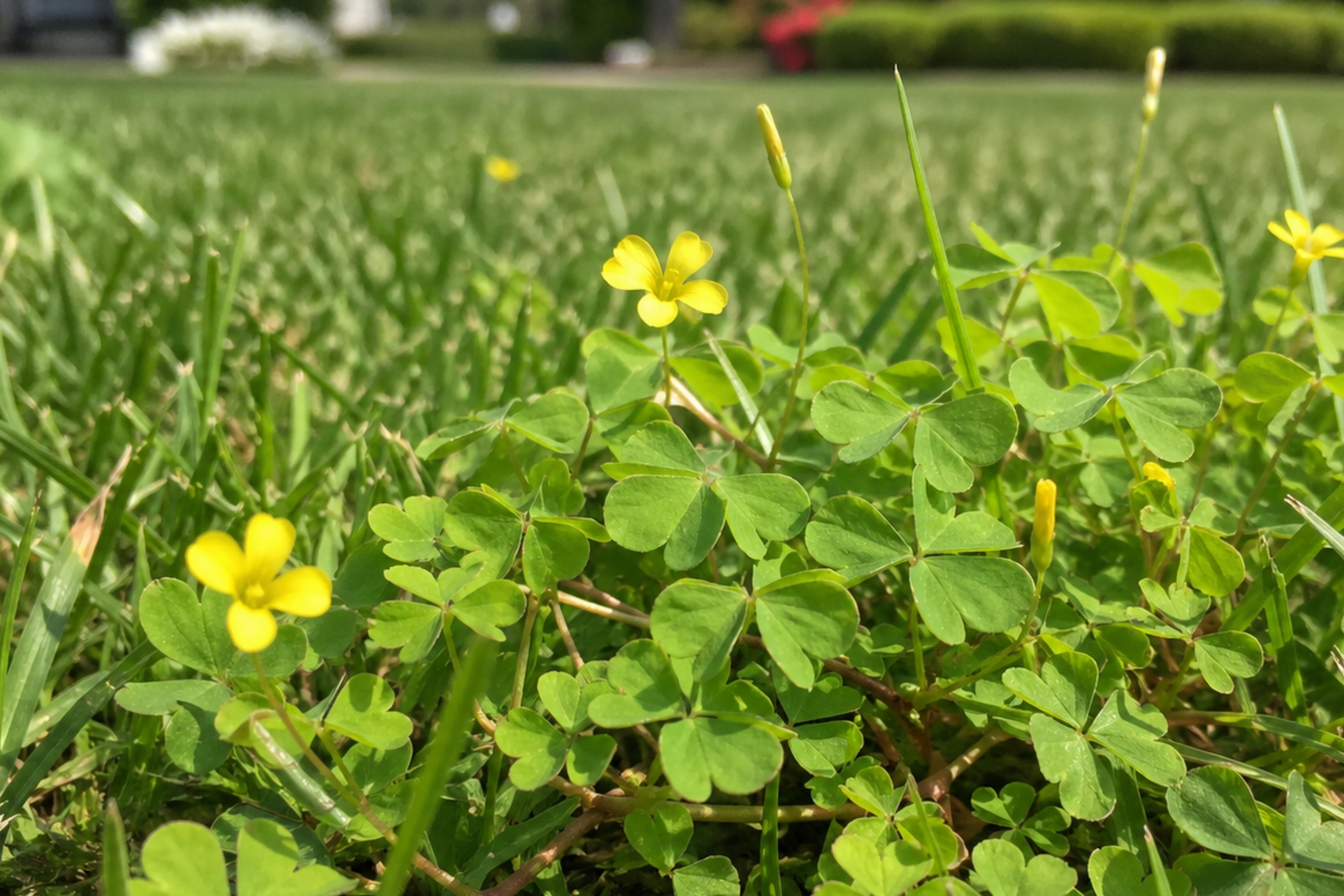
This weed has distinctive heart-shaped leaflets, typically in threes, resembling clover but often with a more purplish tinge. It produces small, five-petaled yellow flowers. It spreads rapidly via creeping stems (runners) that root at the nodes. For a deep species manuscript covering clover confusion, hidden seed-launch behavior, and persistence logic, read the Creeping woodsorrel guide South Africa.
Creeping Woodsorrel is a persistent and invasive weed in lawns, garden beds, and paving cracks. It can form dense mats, choking out desirable plants. Its ability to spread via runners and explosively eject seeds makes it difficult to control.
Manual removal is very difficult due to its spreading nature and tendency for stems to break, leaving roots behind. Selective herbicides are usually required for effective control. Verminator's professional weed control targets persistent weeds like Oxalis.
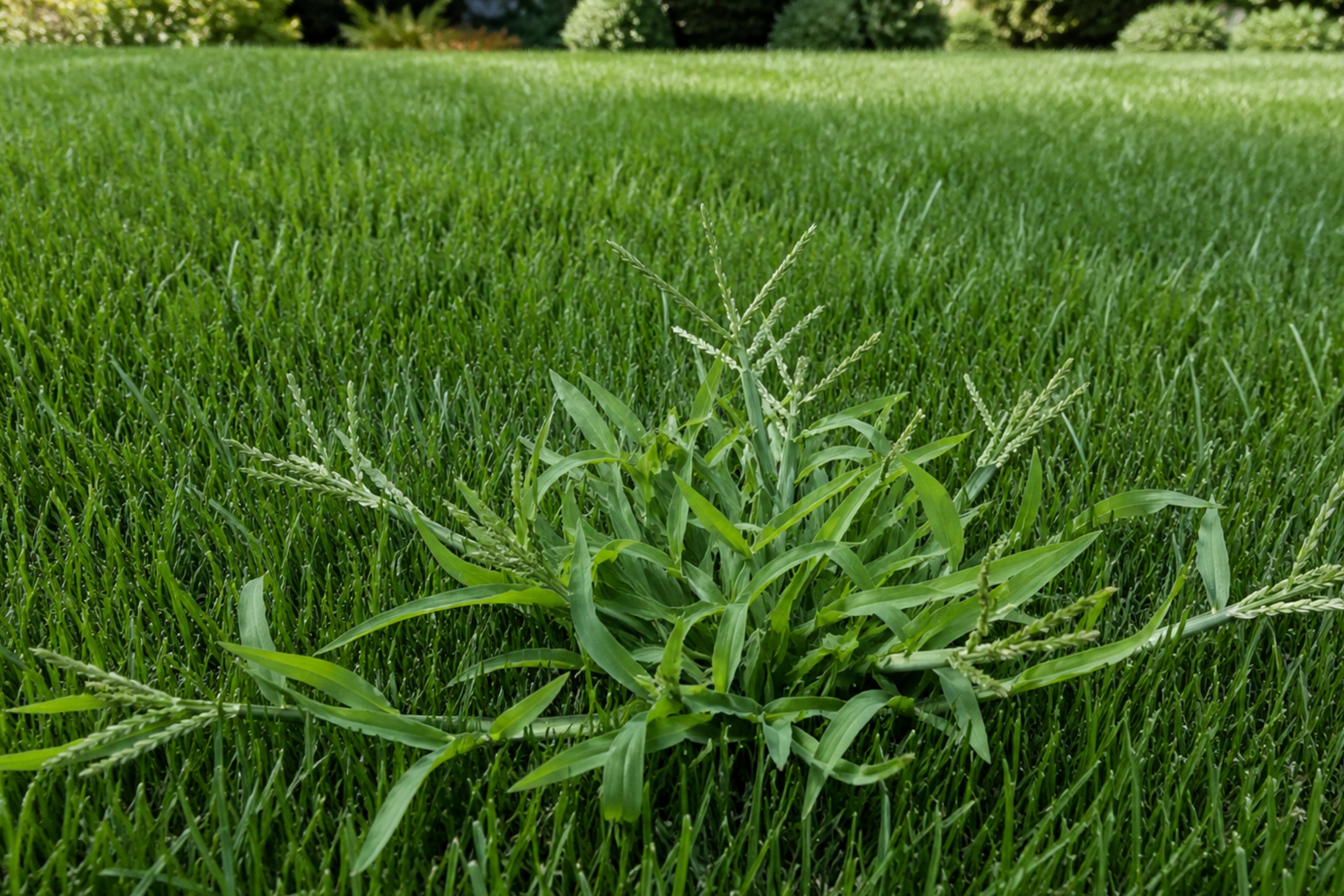
A coarse, annual grass weed that typically grows in a prostrate, spreading manner, resembling crab legs. Stems can root at the nodes where they touch the ground. Leaves are broader than most lawn grasses. For a full species manuscript covering identification cues, myths, and hidden lateral-spread strategy, read the Crabgrass guide South Africa.
Crabgrass thrives in hot, dry conditions and sparse lawns. It outcompetes desirable turf grasses for sunlight, water, and nutrients, leading to a patchy, unsightly lawn. It dies off in autumn, leaving bare spots.
The best defense is a healthy, dense lawn. Pre-emergent herbicides applied in early spring can prevent crabgrass seeds from germinating. Post-emergent herbicides can control existing plants, but timing is crucial. Verminator offers seasonal lawn treatments including pre-emergent applications for crabgrass.
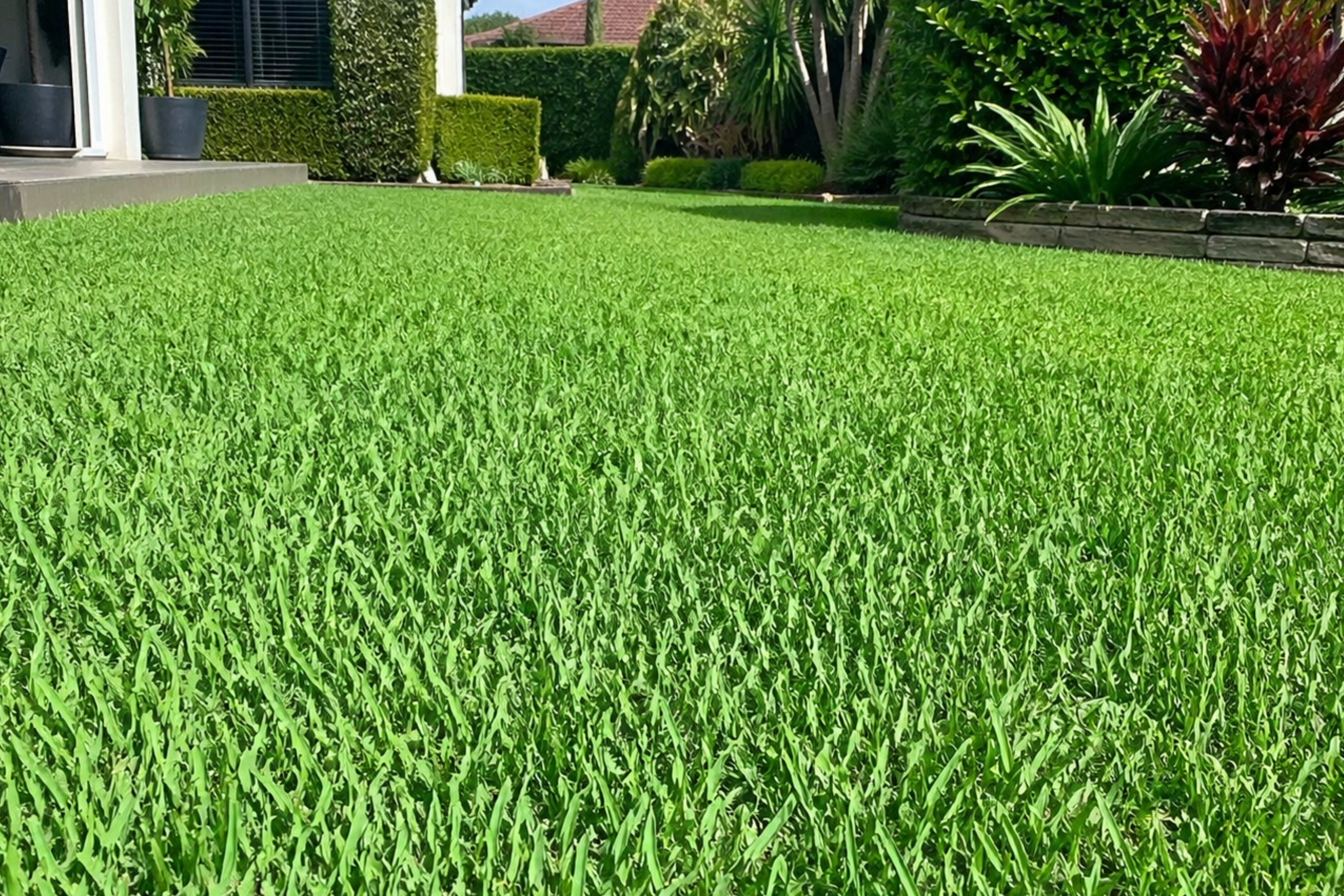
A vigorous, warm-season perennial grass that spreads aggressively via robust rhizomes (underground stems) and stolons (above-ground runners). It forms a dense, coarse turf and is often used for lawns in some regions but is considered invasive in others. For a full species manuscript on identification, myths, and hidden dual-layer spread logic, read the Kikuyu grass guide South Africa.
When Kikuyu invades non-Kikuyu lawns or garden beds, it is extremely difficult to control due to its aggressive growth and deep root system. It can quickly choke out other grasses and plants, taking over large areas.
Control is challenging and requires persistent effort. Manual removal is often ineffective. Repeated applications of non-selective herbicides (like glyphosate) are typically needed, applied carefully to avoid harming desired plants. Specialized Kikuyu killers are also available. Verminator provides expert advice and treatment for invasive grass control.
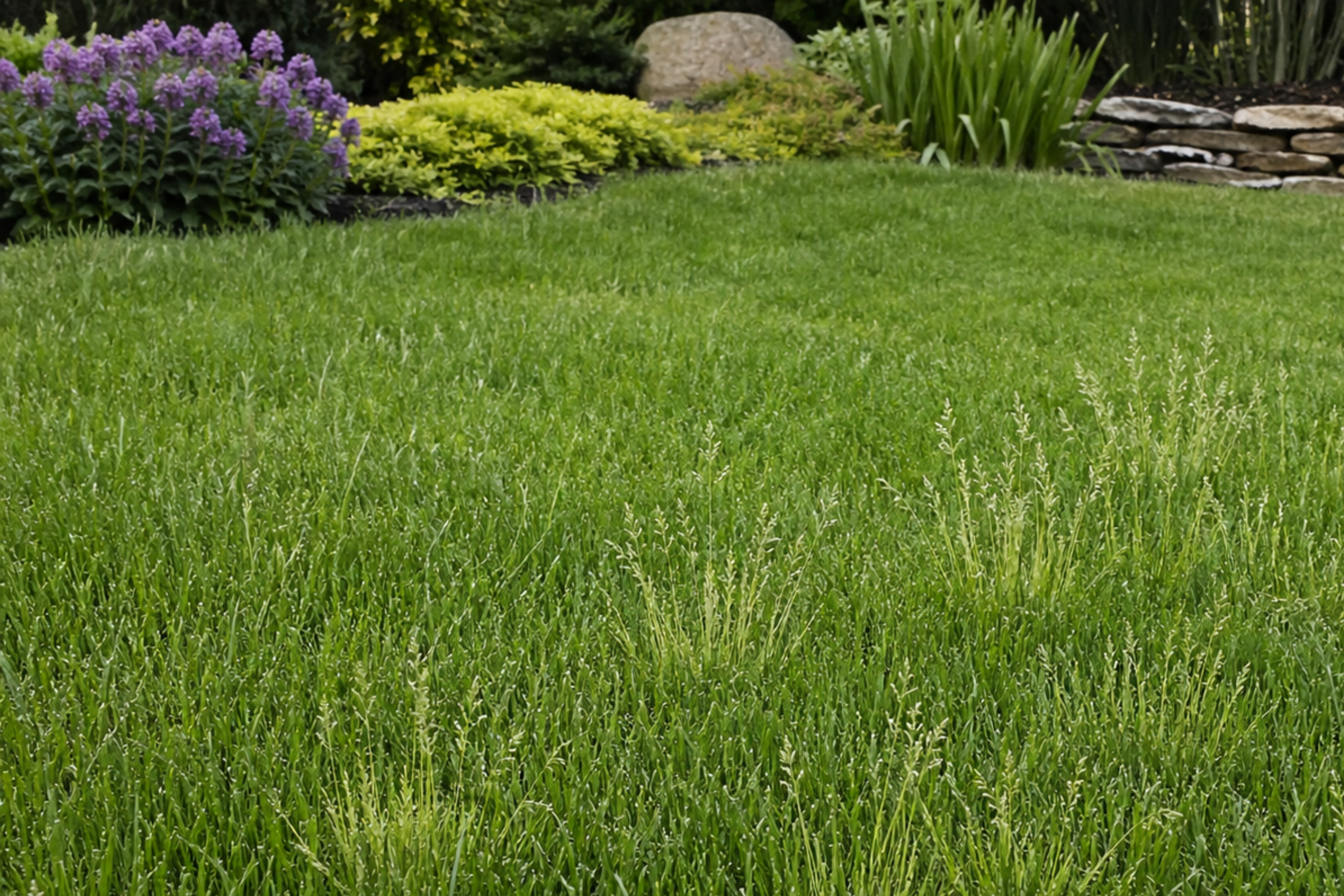
A small, cool-season annual (or sometimes short-lived perennial) grass. It has light green, boat-shaped leaf tips and produces numerous whitish seed heads, even at low mowing heights. Often noticeable in winter and early spring. For a full species manuscript on identification, myths, hidden low-cut reproduction, and turf persistence, read the Annual bluegrass / winter grass guide South Africa.
Poa annua can make lawns look uneven due to its lighter color and prolific seed heads. It dies out in hot summer weather, leaving bare patches that can be invaded by other weeds. It's a common weed in golf courses and fine turf.
Pre-emergent herbicides applied in late summer/early autumn can prevent germination. Maintaining a dense, healthy turf helps outcompete it. Specific post-emergent herbicides can target Poa annua. Our lawn care services can address Poa annua issues.
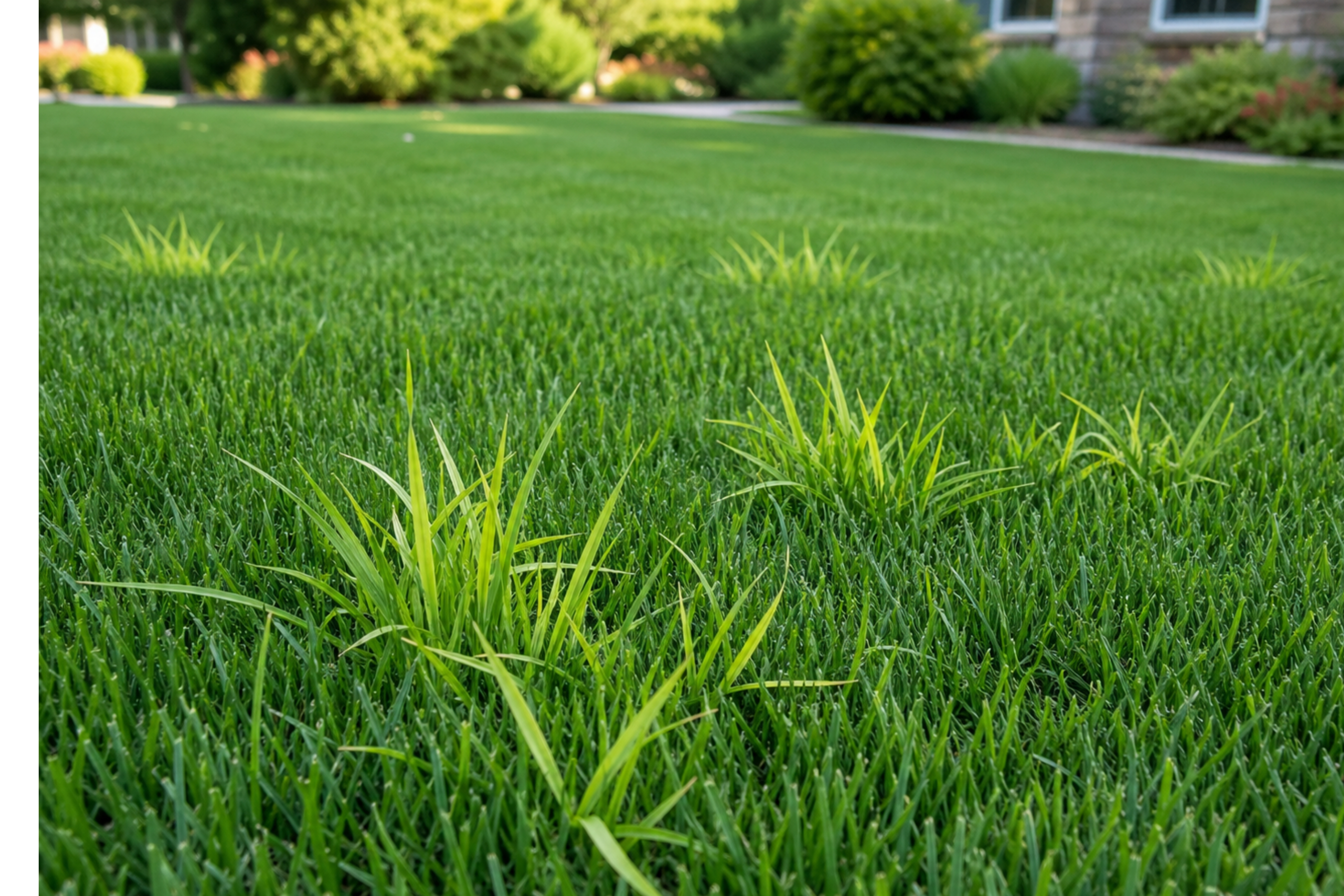
Often mistaken for grass, but sedges have triangular stems (grasses are round or flat). Nutsedge leaves are typically thicker and stiffer than grass blades and arranged in groups of three. It produces small, underground tubers called 'nutlets'. For a full species manuscript covering identification, myths, and hidden underground persistence, read the Nutsedge guide South Africa.
Nutsedge is a very persistent and difficult weed to control, especially in lawns and garden beds. It thrives in moist, poorly drained soils. Pulling it often leaves the nutlets behind, allowing it to regrow. It spreads rapidly via rhizomes and nutlets.
Improving soil drainage can help discourage nutsedge. Regular hand-pulling is often ineffective due to the nutlets. Specific herbicides designed for sedge control (sedge-specific herbicides) are usually required for effective eradication, often needing repeated applications. Verminator has access to professional products for effective nutsedge control.
Effective weed control goes beyond just pulling a few visible weeds. At Verminator, we understand that lasting results require a strategic approach tailored to the specific types of weeds, the environment (lawn, paving, garden beds), and your goals. Our professional weed control services across Cape Town and South Africa utilize a range of methods:
Whether you're battling stubborn lawn weeds, unsightly growth in your paving, or need large-scale vegetation management, Verminator has the expertise and equipment to deliver effective, long-lasting weed control. Contact us today for a free consultation and quote.
Information on this page is based on general horticultural knowledge, pest control industry best practices, and information from resources like the original Verminator website. For specific advice, always consult with a qualified professional. Links to external resources or specific product information are for informational purposes only and do not constitute an endorsement.