
Common Ant Species in South Africa
Argentine Ant (Linepithema humile)

Description
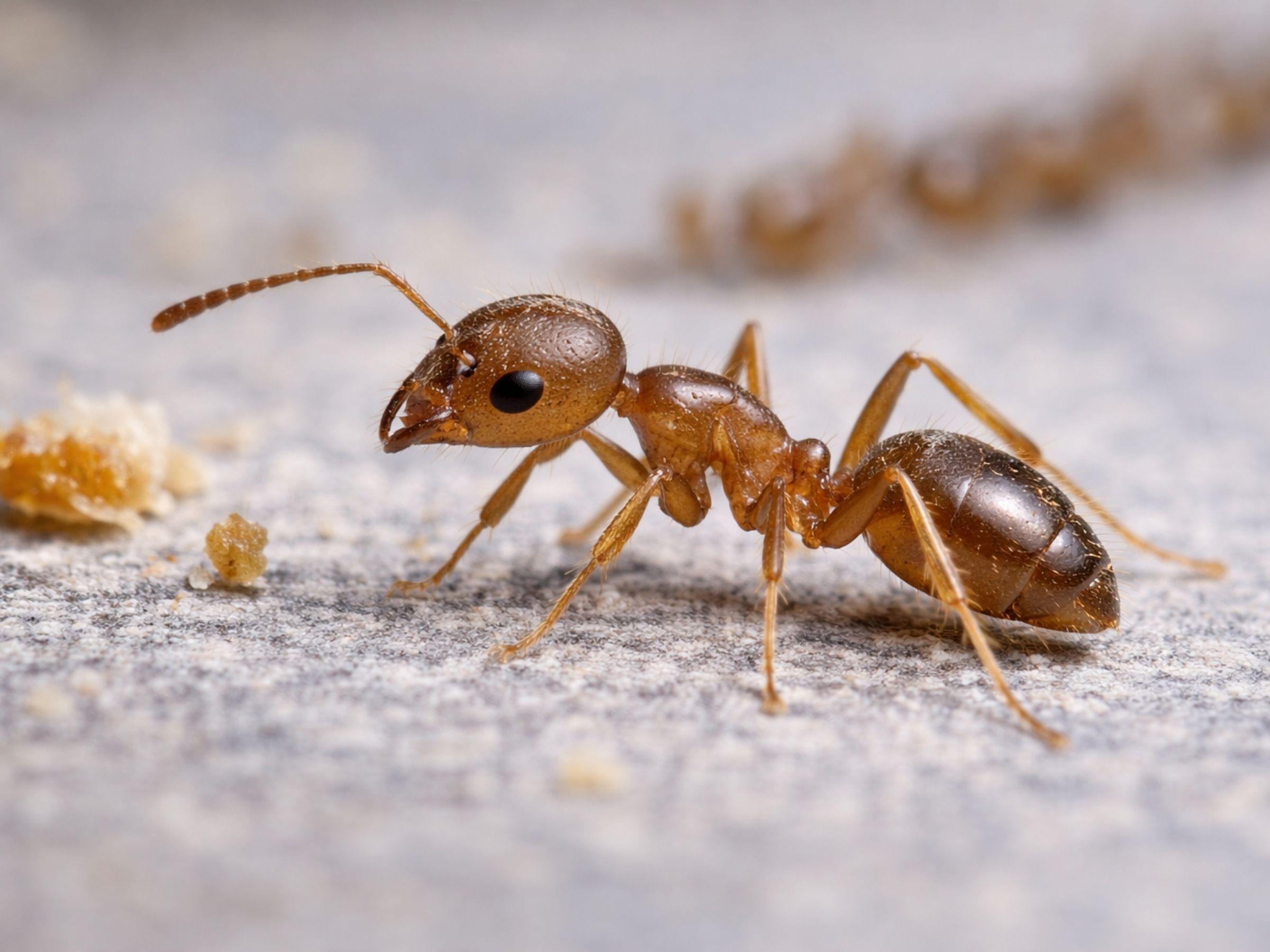
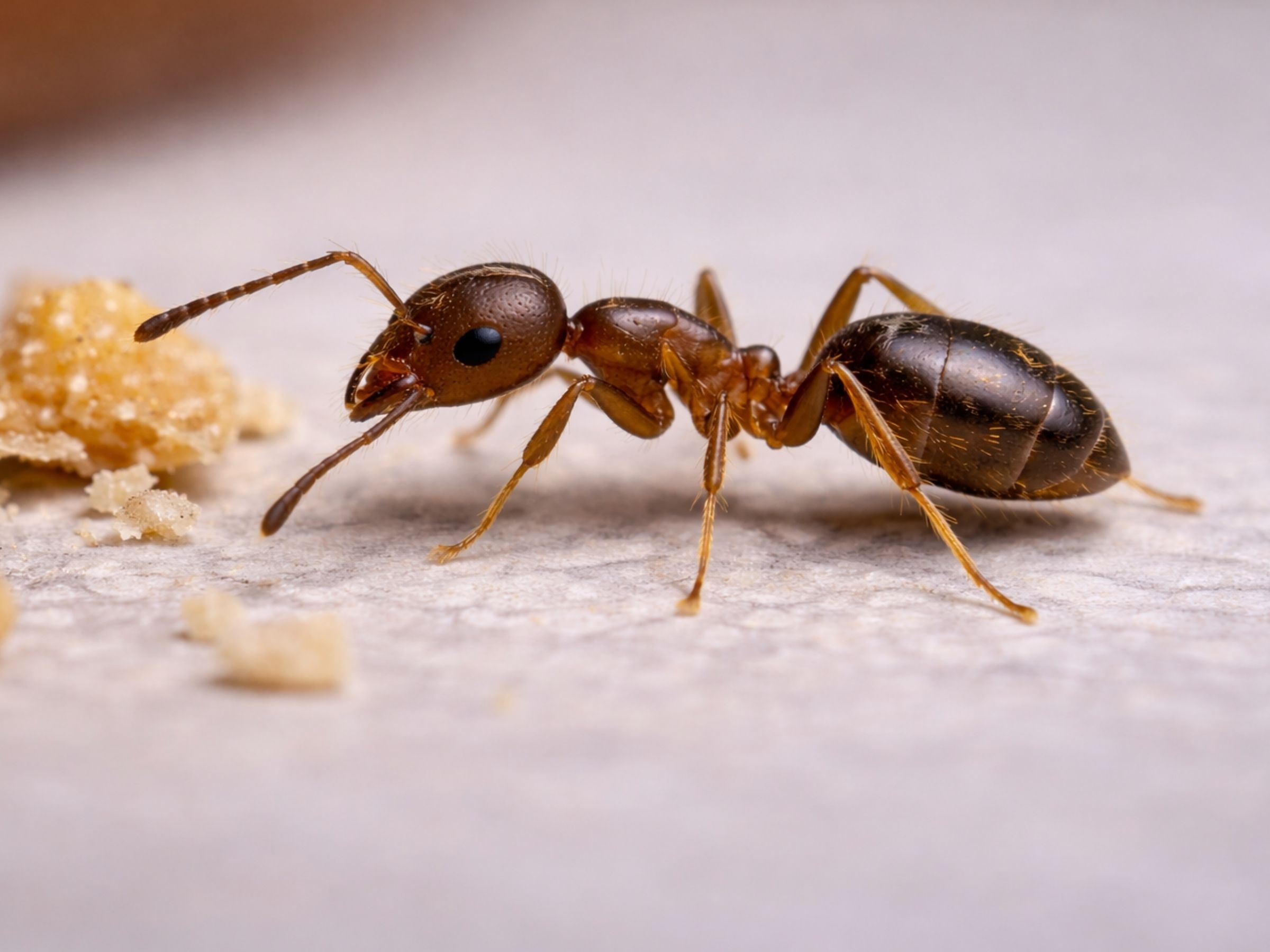
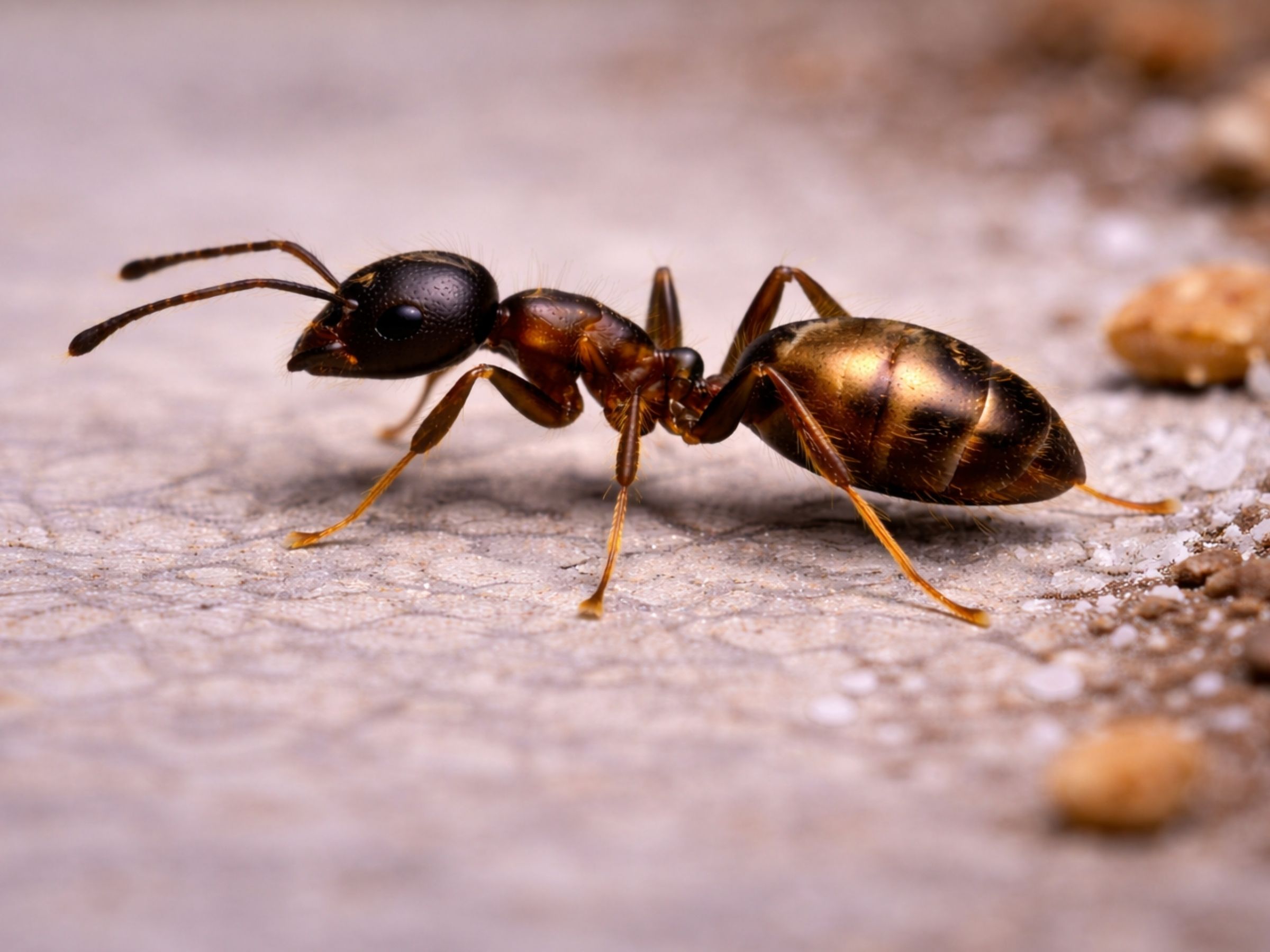
A small light to dark brown ant (about 2–3 mm long) that often forms massive colonies with multiple queens. Argentine ants usually move in distinct trails and do not have a strong bite or sting, but their strength is in numbers and persistence. If you crush them, they may emit a faint musty odor (some say like blue cheese).
Why They’re Pests
Argentine ants are an invasive species originally from South America. They have spread worldwide and are among the most widespread ants in South Africa, especially in urban areas. Notoriously, they displace native ant species and then aggressively invade homes in search of food and water. These ants will exploit any tiny crack to get inside. They’re attracted to sweet foods but will eat almost anything. Because their colonies can become so large and have many queens, they can be difficult to eliminate without professional strategies.
Regions Found
Argentine ants are common in many parts of South Africa, particularly in the Western Cape and Gauteng provinces. For instance, they have invaded much of the Western Cape’s coastal belt (even penetrating undisturbed Fynbos areas) invasives.org.za. In cities like Cape Town, George, and Port Elizabeth, Argentine ants are often the dominant house ant – residents frequently report rivers of little brown ants in summer months. In Gauteng (e.g., Johannesburg and Pretoria), Argentine ants are also prevalent; in fact, pest control professionals note that the Argentine ant is a frequently encountered ant in the Gauteng region. These ants thrive in Mediterranean climates and moist temperate areas, so they abound in coastal and highland cities. They are a bit less tolerant of extremely hot, dry conditions, so in the very arid inland areas you may see them less, but around homes with irrigation they can still establish. Overall, if you’re in a major South African city or its suburbs, there’s a good chance Argentine ants are one of the culprits when you have an ant invasion.
Black House Ant / Black Garden Ant (Ochetellus glaber or Lasius niger)

Description
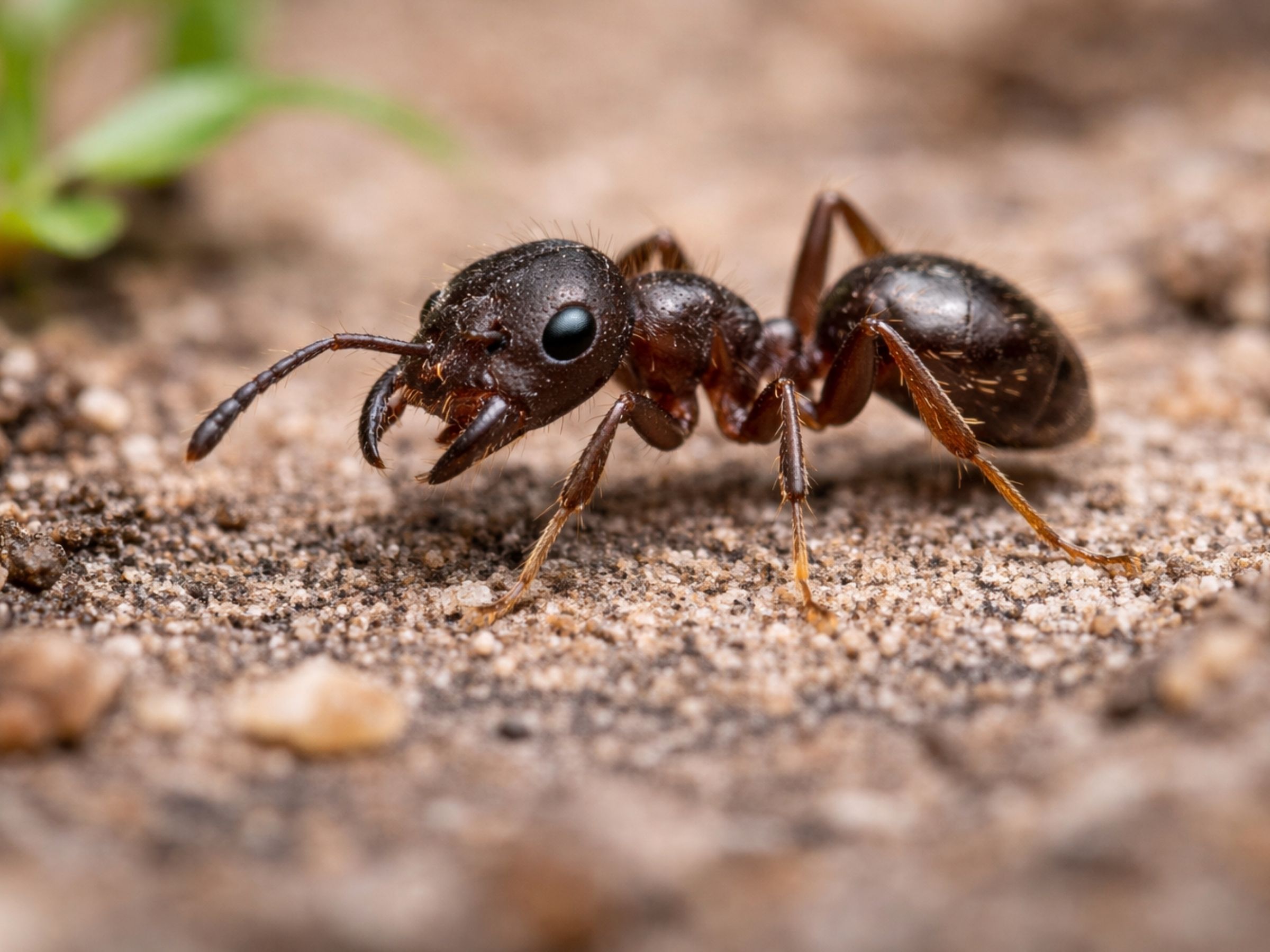
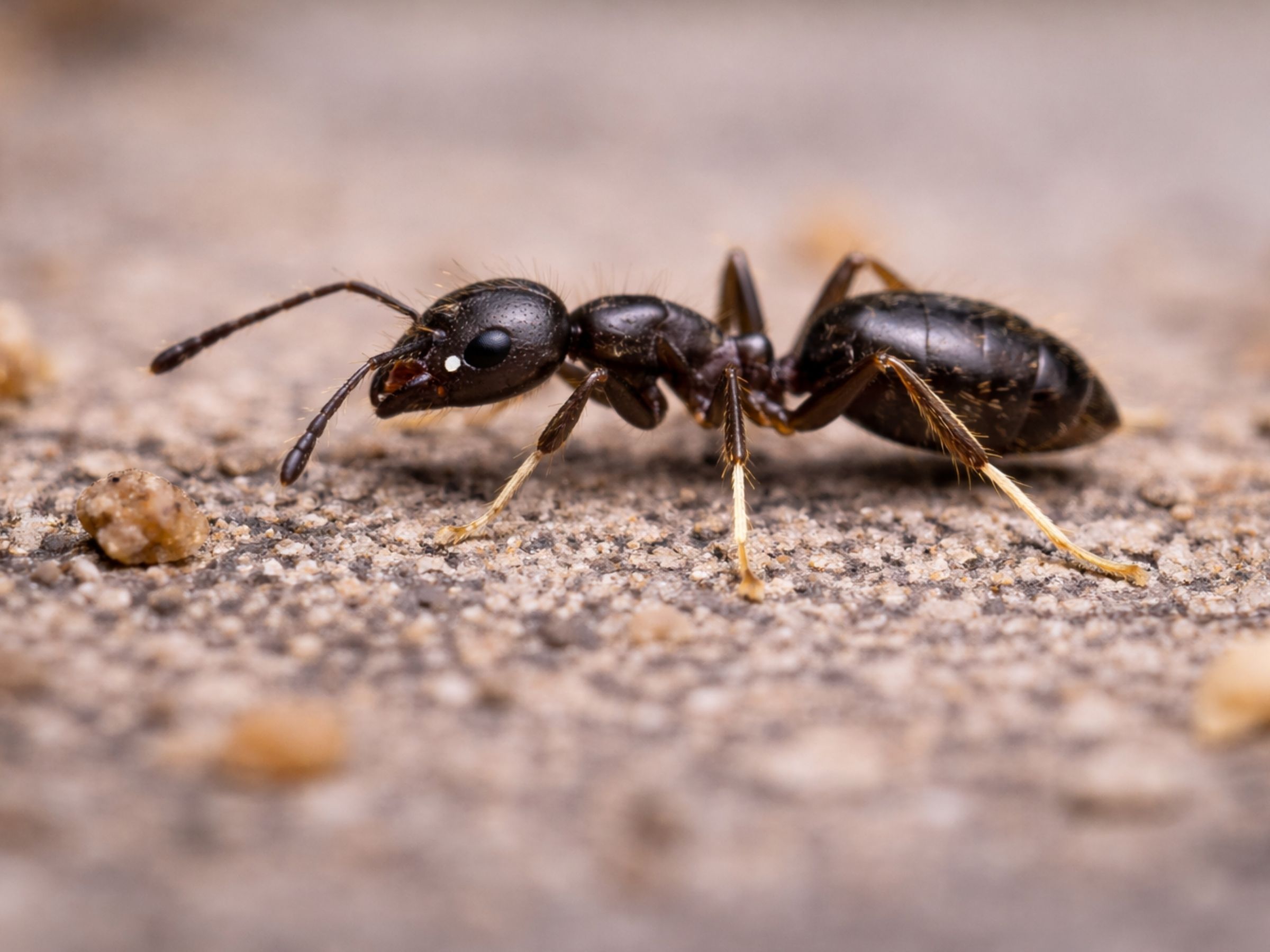
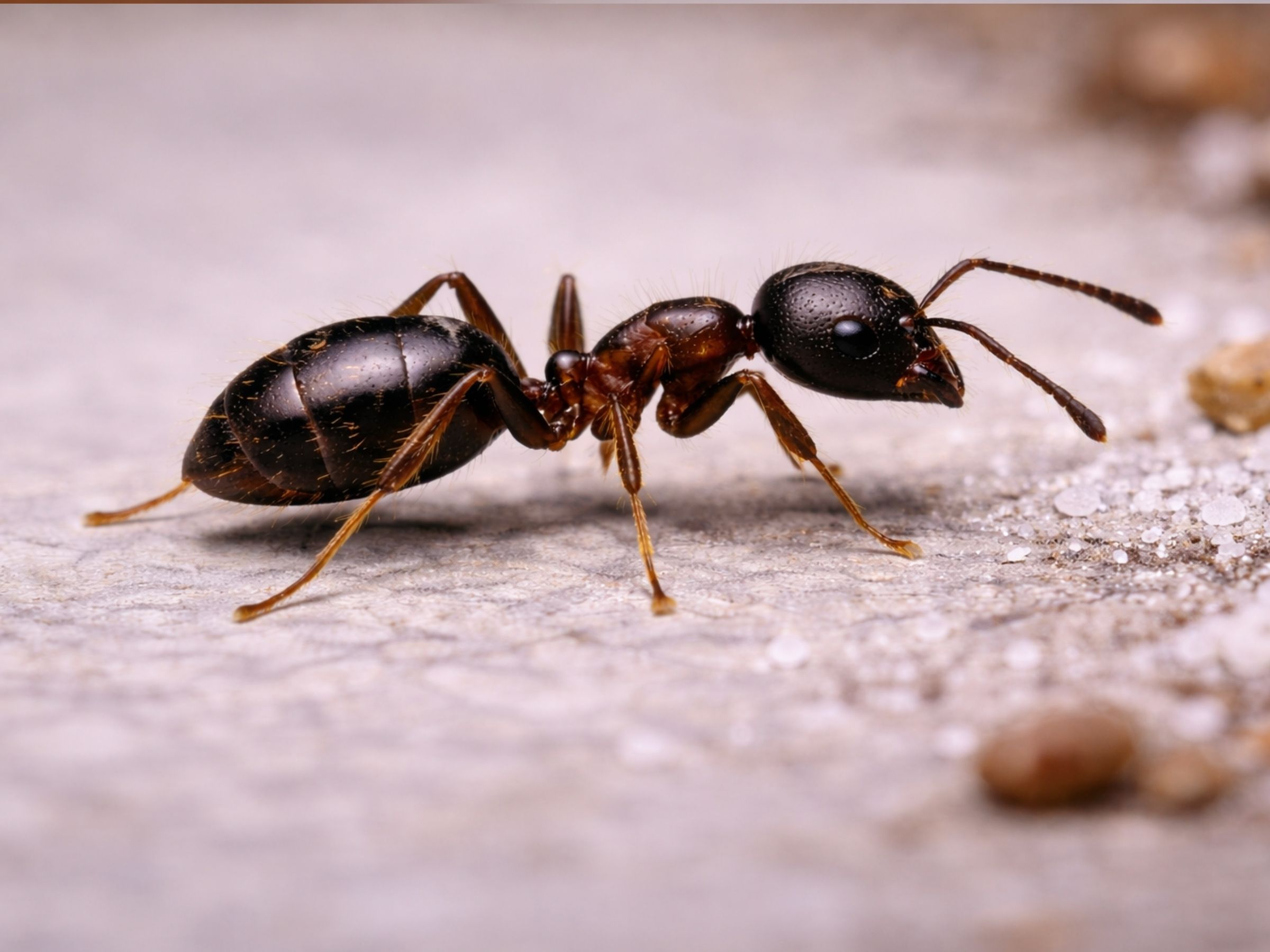
This is the classic tiny shiny black ant often seen in kitchens and gardens. Black house ants are about 2.5–3 mm long, uniformly dark brown-black and have a single node petiole (narrow waist). In South Africa, the name “black ant” can refer to a couple of similar small dark ant species. Lasius niger (the Black Garden Ant) is common in some areas, and Ochetellus glaber (an introduced species often just called Black House Ant) is also now found in SA. For the homeowner, they look and behave similarly – little black ants making persistent trails to anything sweet.
Why They’re Pests
Black ants are primarily nuisance pests – they don’t bite or sting people, but they love sugary foods and will infest pantries, sweet jars, juice spills, and pet food. They forage in long trails and can quickly exploit any crumbs. They can also contaminate food and food-prep surfaces (nobody wants ants running over a cake or through the sugar bowl). These ants often nest in wall cavities, roof spaces, or outdoors under paving and rocks. They can multiply quickly. A single colony can have tens of thousands of workers. If you kill the foragers, the colony can send new ones the next day, so they can be frustrating to eliminate without targeting the nest.
Regions Found
Small black ants like these are found throughout South Africa – they are one of the most common pest species nationwide. You’ll find them in Cape Town and the Western Cape (often nesting in gardens), across Gauteng (in virtually every neighborhood of Johannesburg and Pretoria, black ants are a regular sight), as well as in KwaZulu-Natal (around Durban and coastal towns). Because some species like Ochetellus are actually invasive tramp ants, new infestations pop up in various cities (for example, Ochetellus glaber was first noted in the Cape Town area and could spread further). Meanwhile, Lasius niger has been reported in South African homes as well, likely introduced via potted plants or soil. In summary, if you have tiny black ants in your house anywhere in South Africa – be it the Garden Route (Eden District around George/Knysna), the Highveld (Gauteng), or the subtropics (KZN) – they’re likely one of these black house/garden ants. Our ant control strategies (especially sweet baits) are very effective against them since we know their sweet tooth weakness!
Pharaoh Ant (Monomorium pharaonis)

Description
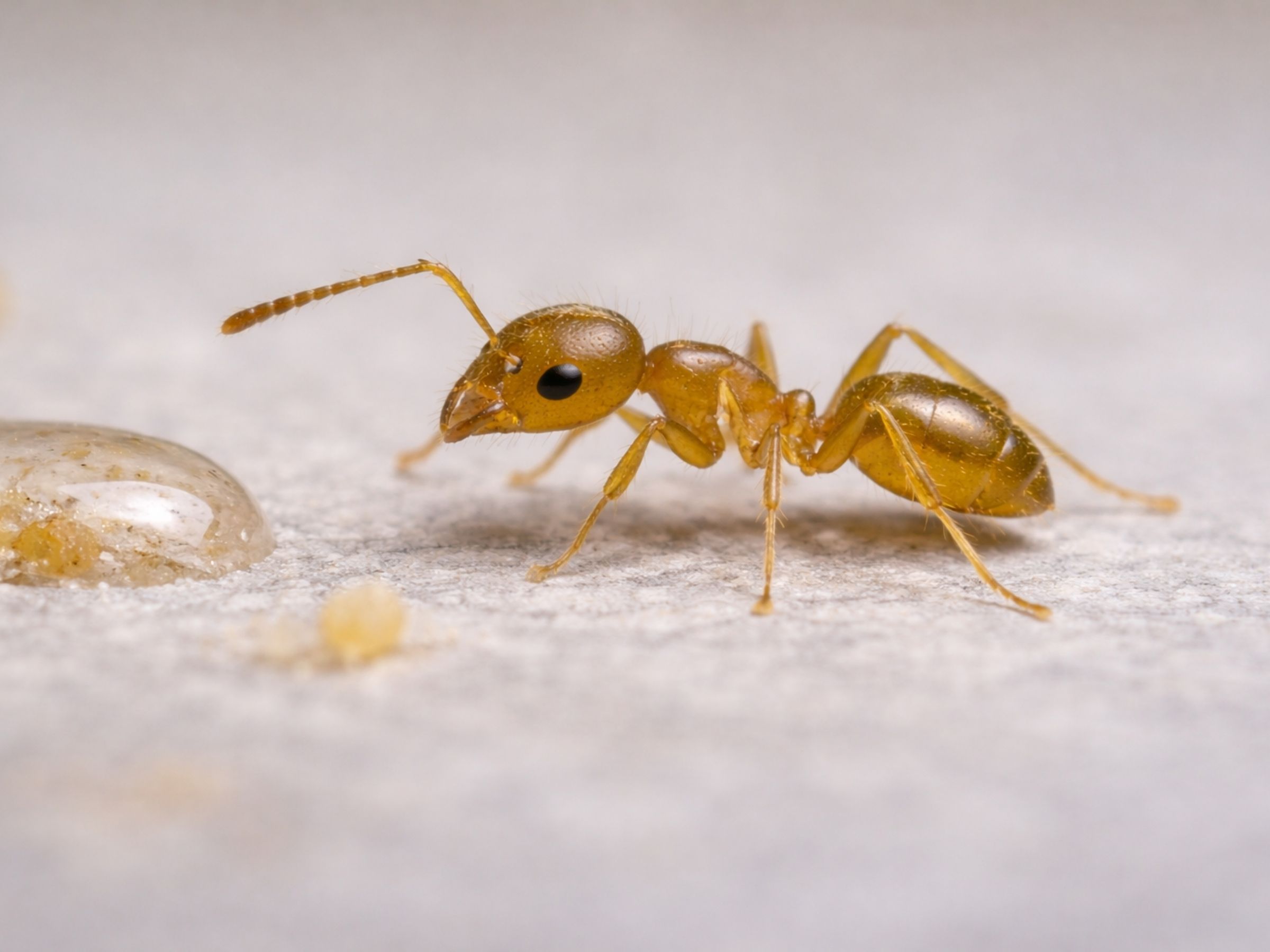
Pharaoh ants are very small (only about 2 mm long) and yellowish or light brown in color (sometimes with a darker shaded abdomen). They have two nodes on their waist and are almost translucent. Due to their size and color, they can be hard to notice individually – but they tend to forage in distinctive trails as well. Often people realize they have Pharaoh ants when they see a faint yellow line of ants near a sink, along baseboards, or around a pet’s food dish.
Why They’re Pests
Pharaoh ants are infamous for being indoor super-pests. They thrive in warm, humid environments and are especially fond of nesting in and around buildings. In homes, they will nest in wall voids, behind cabinets, in piled clothes, even inside electronics – any small, hidden space near warmth and moisture. They are omnivorous, eating sweets, proteins, grease, and are even known to chew on silk and rubber. Pharaoh ants are particularly troublesome because their colonies have multiple queens and can split into satellite colonies at the drop of a hat. If a colony feels threatened – say, by someone spraying insecticide – they may disperse and form several new colonies (a process called “budding”) rather than dying off. This makes them difficult to control with regular methods; using baits is crucial so that the colonies do not scatter but instead bring the poison back home. They are also known to infest hospitals (even getting into IV bags or wound dressings) and can potentially spread germs. In short, Pharaoh ants are tiny but can become a huge persistent problem if not handled properly.
Regions Found
Pharaoh ants are found throughout South Africa, but because they cannot survive outdoors in cold climates, they are mostly an indoor pest. They are common in apartment buildings, hospitals, hotels, and houses in all major cities – from Pretoria and Johannesburg to Durban, Cape Town, and Port Elizabeth. Essentially, any centrally heated building or naturally warm climate area is attractive to them. They are reported frequently in coastal humid cities like Durban (which has the warmth they love year-round), but also in Gauteng where they survive inside heated structures during winter. Pest control firms across SA list Pharaoh ants as one of the top home-infesting ants they get called about. So, if you see tiny yellow ants in your kitchen or bathroom, you’re likely dealing with Pharaoh ants. Our baiting-focused indoor treatment is particularly tailored for these guys, because we know that a direct spray would likely make them split and worsen the infestation. Instead, we quietly eliminate them at the colony level.
Big-Headed Ant (Pheidole megacephala, aka African Big-Headed Ant or Coastal Brown Ant)

Description
Big-headed ants get their name from the appearance of the “major” worker ants in the colony, which have disproportionately large heads (used for crushing seeds and food) en.wikipedia.org. The colony has two types of workers: majors (~4–5 mm, with big heads) and minors (~2–3 mm, smaller and typical ant shape) en.wikipedia.org. Their color can range from yellow-brown to reddish-brown. To the average person, big-headed ants might look like ordinary small brown ants until you see them under magnification or notice the different sizes of workers. They often build loose, sandy dirt mounds around their nest entrances (little piles of soil with multiple openings). If you disturb their nest or trailing line, you might see the larger-headed soldiers amongst the swarm of smaller ants.
Why They’re Pests
The African big-headed ant is actually considered indigenous in parts of South Africa, but it has become a notable pest both locally and worldwide antsofthecape.blogspot.com. They form huge, interconnected colonies that can literally take over a yard or an entire city block’s ant population, often driving out other species (they can even out-compete Argentine ants in some cases) antsofthecape.blogspot.com. They nest in soil, under logs, under pavements, and also readily come indoors, nesting in wall cracks, under baseboards, or in potted plant soil. Big-headed ants are major household pests because they will forage through kitchens and bathrooms aggressively; they have strong mandibles and have been known to chew through obstacles to expand nests or reach food piat.org.nz. They don’t bite/sting humans significantly, but their sheer numbers can be daunting. They also tend farm sap-sucking insects like aphids for honeydew, which can harm garden plants. Once big-headed ants establish around a property, they can be very persistent year after year, especially in warm climates.
Regions Found
As their other common name “Coastal Brown Ant” suggests, big-headed ants are very prevalent in coastal regions and humid subtropical areas. In South Africa, they are often encountered in KwaZulu-Natal (e.g., greater Durban area) and parts of Mpumalanga and Limpopo. They also appear in parts of Gauteng (they can survive in gardens in Johannesburg/Pretoria especially if there’s irrigation) and in some warmer parts of the Western Cape. Essentially, they like warmth and moisture. Homeowners in Durban and along the KZN coast frequently report brown ant invasions which are likely this species. In the Cape Town area, big-headed ants have been noted in some suburbs too, where they’ve even been observed pushing out Argentine ants in competition antsofthecape.blogspot.com. If you notice small brown ants with some larger-headed ones in the mix, and sand pile nests in your garden, you probably have big-headed ants. Our control approach for these ants involves careful use of both protein and sugar-based baits (because they are seed-eaters as well) and thorough perimeter treatment – which our 6-month guarantee covers even in tough infestations like these.
Fire Ants (Solenopsis species)

Description
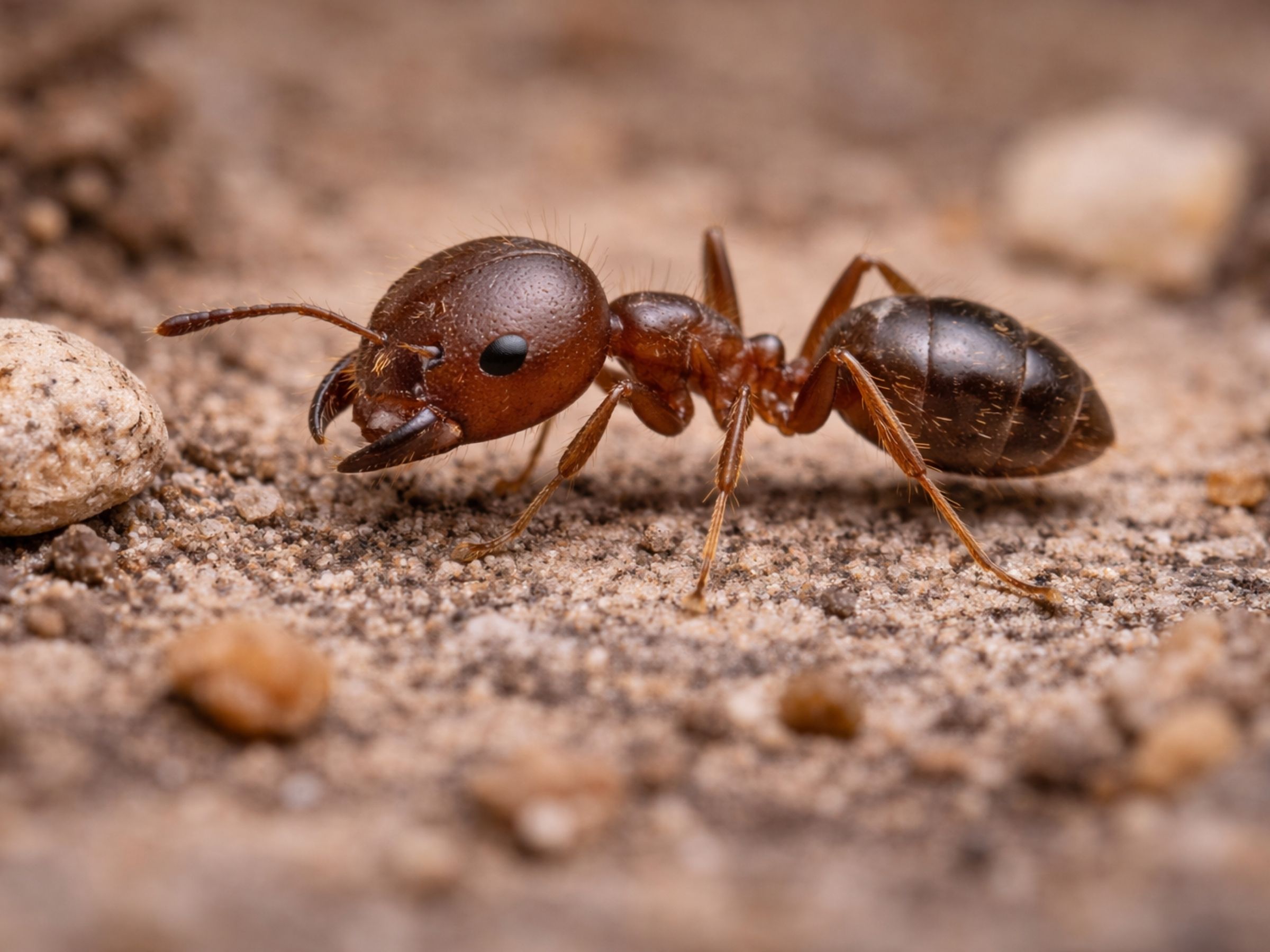
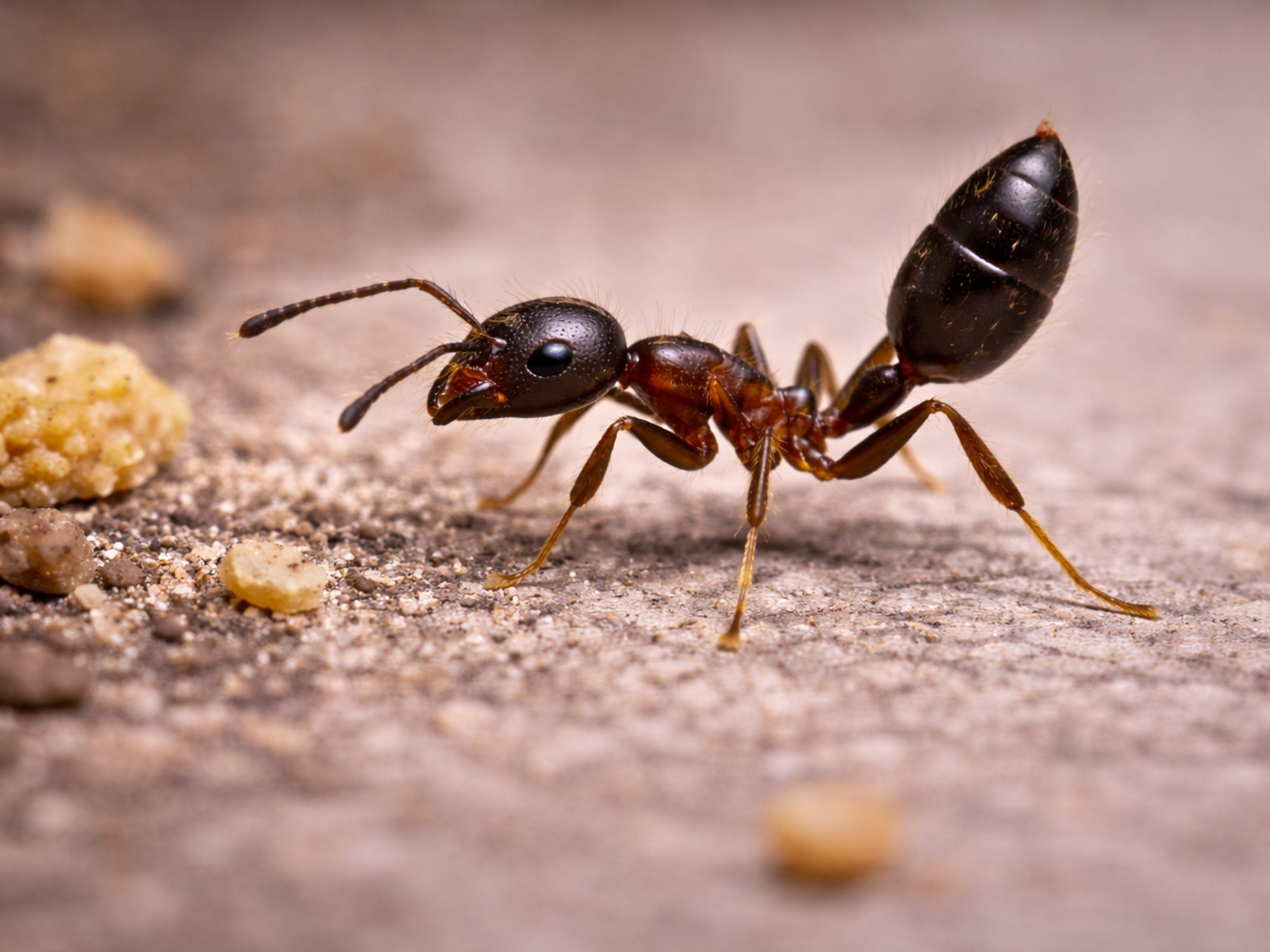
“Fire ants” in South Africa generally refers to Solenopsis genus ants, which include reddish-brown ants that can deliver a painful sting. They are usually 2–6 mm in size depending on the species, with a darker abdomen and a coppery brown head/thorax. Fire ants often build noticeable mounds in soil or lawns – crumbly mounds that, when stepped on, erupt with angry stinging ants. There are native Solenopsis species in SA often called “fire ants” due to their sting, as well as an invasive little fire ant (Wasmannia auropunctata) reported in other African countries (though not widely in SA yet). The common fire ants here might not be as infamous as the Red Imported Fire Ant of the USA, but they can still pack a punch if disturbed.
Why They’re Pests
Fire ants are aggressive and will fiercely defend their nests. If you accidentally stand on or disturb a fire ant nest, you can expect a flurry of stings on your feet and legs. Their sting causes a burning, itchy welt – hence the name “fire” ant. This makes them a concern for lawns, school fields, golf courses, and parks where people (especially kids or pets) might unwittingly encounter them. Fire ants also forage for food like other ants, entering homes for sweet or greasy foods. They can chew through packaging and damage electrical equipment by nesting inside. Because they nest in soil, they can pop up anywhere in a garden. They also have multiple queen colonies, which can make them hard to fully eradicate. Apart from the health hazard (allergic reactions to stings are possible in sensitive individuals), they can reduce enjoyment of one’s yard.
Regions Found
Fire ants (Solenopsis) prefer warm, sunny climates. In South Africa, they are more often found in the northern and eastern regions – such as parts of KwaZulu-Natal, the Lowveld of Mpumalanga/Limpopo, and sometimes Gauteng in hot microclimates. They are less common in the Western Cape (which has cooler, wetter winters that they don’t favor) – though a few reports exist. If you live in Durban or Pietermaritzburg, for example, you may encounter these small red stinging ants in your lawn. Some rural areas and farms also report fire ant issues. Given their painful stings, our ant control service pays special attention to fire ant mounds during treatment. We use fast-acting treatments on the mound (to kill the colony quickly) combined with baits around the area for lasting control. Safety is key here – we eliminate the threat so you, your children, and pets don’t have to fear playing on the grass.
Serving All Major Regions and Cities in South Africa
No matter where you are in South Africa, ant infestations can strike seasonally or year-round – and we’re here to help with prompt, professional service. We proudly offer our advanced ant control solutions in all major regions, including Johannesburg and Pretoria (Gauteng), Cape Town and the Western Cape, Durban and the KwaZulu-Natal coast, Port Elizabeth (Gqeberha) and the Eastern Cape, as well as the Garden Route areas like George (Eden District), and beyond. Ant problems in different areas might involve different species or environmental challenges, but our expertise covers them all. For instance, we understand the unique challenge of Argentine ants overrunning a Cape Town suburb invasives.org.za, just as well as we know how to handle persistent coastal brown ants in a Durban garden or sugar ants in a Pretoria kitchen. Our commitment to eco-sensitive pest control and the latest technology means you get the safest possible solution for your home or business, no matter the location. Every service is performed by a friendly, highly-trained technician using certified products and techniques approved by the Department of Agriculture (verminator.co.za), so you can have peace of mind about quality and safety. We don’t just kill ants; we solve ant problems – with a long-term result. In summary, our Advanced Ant Control Solutions combine targeted colony elimination, smart use of modern science (baits, micro-encapsulation, integrated methods), and safe practices for your family and the environment. Whether you need an external perimeter treatment to protect your home or an internal service to purge an existing infestation (or both), we have you covered – all with an unprecedented 6-month guarantee to ensure your ant worries are truly gone (verminator.co.za). Don’t let ants take over your space. With our “Targeted – Smart – Safe” approach, you can be ant-free and confident that it will stay that way for months to come. Contact us today for the longest-lasting, guaranteed ant control service in the industry – and reclaim your home and garden from these tiny invaders!
Sources & Further Reading
Recent pest control publications and expert resources have informed these insights, including pest control industry guidelines and South African ant species data. Key references include Verminator Pest Control’s documentation on guaranteed ant eradication (verminator.co.za), and academic and invasive species reports on Argentine ants (invasives.org.za), among others. Each of these sources reinforces the strategies and facts presented here, ensuring that our ant control solutions are grounded in proven knowledge and tailored to South Africa’s conditions.